
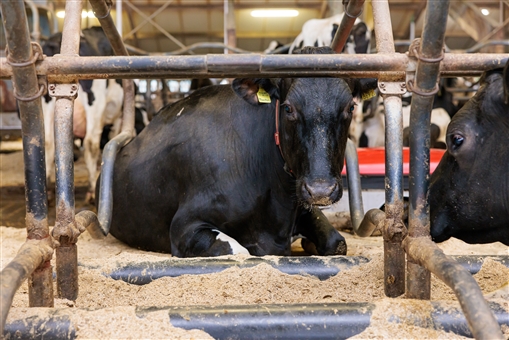


Coccidiosis is a parasitic intestinal disease that mainly affects young cattle (3–8 months old). It’s caused by coccidia parasites that damage the gut lining, leading to diarrhea, dehydration, reduced growth, and in severe cases, death.
How it spreads
The parasite’s eggs are passed in dung and can survive for up to two years in damp environments like calf sheds and soil. Calves become infected by ingesting contaminated feed, water, or by grooming themselves. High stocking densities, poor hygiene, and stress (e.g. cold or wet weather) increase infection risk.
Signs to watch for
-
Sudden onset of diarrhea, sometimes with mucus or blood
-
Calves straining or appearing uncomfortable
-
Reduced appetite and weight loss
-
Dehydration
Even subclinical cases can quietly reduce feed intake and growth rates.
Prevention and management
-
Hygiene: Keep housing clean and dry. Steam clean and disinfect sheds and feeding equipment regularly.
-
Stocking density: Avoid overcrowding to reduce contamination pressure.
-
Nutrition: Ensure good feeding management to support immune health.
-
Medication: Use calf meals containing coccidiostats at the correct rate and duration (consult your vet).
-
Outbreak control: Isolate affected calves and treat the whole group. Move animals to clean paddocks or pens.
Recovery can take several weeks, and affected calves may need preferential feeding to regain growth.
Tip: Regular cleaning and dry bedding are your best defense, coccidia eggs thrive in moisture but are destroyed by heat and dryness.
How often do you clean and disinfect your calf pens during rearing season?
-

joshtaylor
-
Cancel
-
Vote Up
0
Vote Down
-
-
Sign in to reply
-
More
-
Cancel
Comment-

joshtaylor
-
Cancel
-
Vote Up
0
Vote Down
-
-
Sign in to reply
-
More
-
Cancel
Children