
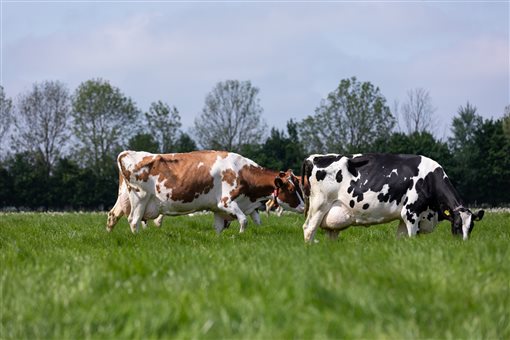

Every grazing season brings its own challenges, and one of the most common is a sudden slowdown in grass growth. Whether it’s caused by weather, soil conditions, or nutrient shortages, a dip can quickly affect change of grass quality, pasture availability and herd performance. Fortunately, there are several practical ways to keep grass growing, even when conditions aren’t ideal.
Growth starts with the basics: nutrients, light, moisture, and healthy soil. When one of these factors falls out of balance, grass responds immediately. That’s why timely fertilization is so important. A well‑planned approach with long‑acting nitrogen in spring, a summer fertilizer to maintain growth, and extra potassium in autumn helps the plant stay active throughout the season.
Soil structure also plays a major role. Compacted or poorly drained soil limits root development and nutrient uptake. Aeration and adding organic matter can make a noticeable difference. Mowing matters too: cutting too short stresses the plant and slows regrowth. Keeping the sword at the right height helps grass recover faster.
Water management is another key factor. Deep, consistent watering encourages strong roots, while overseeding thin patches helps maintain a dense, competitive sword. And don’t forget pH grass thrives best in a balanced soil environment.
In short, keeping grass growing during a dip means supporting the plant where it needs it most: good nutrition, healthy soil, proper mowing, and timely overseeding. With the right management, even a challenging period can turn into strong, resilient growth for the rest of the season.
How do you keep your pastures growing when conditions take a downturn, what’s your go‑to strategy?