
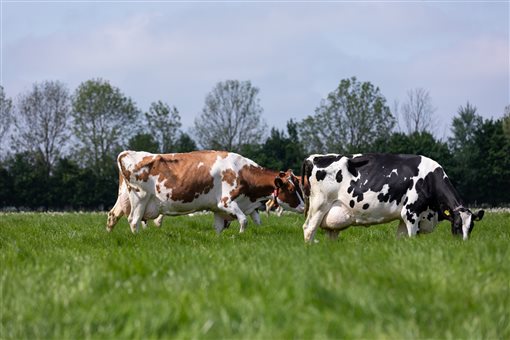


Spring is a busy and exciting time on the dairy, but lush, fast-growing pastures can also hide some serious risks for our cows. High sugar and low fibre in new pasture can trigger ruminal acidosis, especially for high-producing cows or those recently transitioned from conserved or grain-based diets. This can show up as reduced appetite, milk drops, loose manure, lameness, and even more serious health issues if left unmanaged.
Other common spring challenges include milk fever (low calcium), grass tetany (low magnesium), and nitrate/nitrite poisoning, all of which can affect herd health and productivity if not carefully managed. Rapidly growing pasture, fertiliser use, and weather conditions can all increase the risk.
Some practical strategies to keep your herd safe include:
-
Introduce cows gradually onto new pasture, avoiding hungry animals getting first access.
-
Offer dry hay or straw to boost effective fibre.
-
Supplement calcium and magnesium where necessary, particularly during high-risk periods.
-
Test pastures for nitrates if fertilisers have been applied and avoid grazing high-risk paddocks until safe.
Keeping on top of these risks now means healthier cows, more stable milk production, and fewer health setbacks throughout spring and summer.
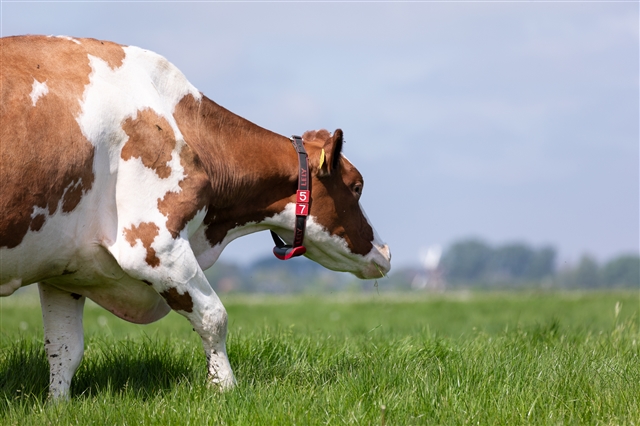
What strategies do you use on your farm to safely transition cows onto lush spring pastures?
-

michael
-
Cancel
-
Vote Up
0
Vote Down
-
-
Sign in to reply
-
More
-
Cancel
Comment-

michael
-
Cancel
-
Vote Up
0
Vote Down
-
-
Sign in to reply
-
More
-
Cancel
Children