
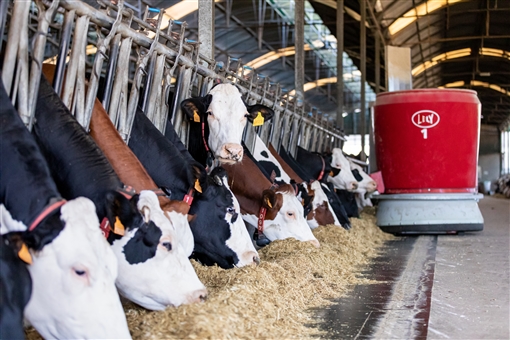


As summer turns into autumn, careful management of pasture, feed, and cow condition is critical for a strong finish to the season. Late-summer strategies, including monitoring feed demand and body condition score (BCS), remain important and help prepare for autumn challenges.
Pasture Management
Good grazing management balances utilisation with allowing pastures to recover. Over-grazing, especially before plants reach the three-leaf stage, reduces tiller numbers and slows recovery. Farmers should start planning pasture renewal early, taking into account factors such as soil fertility, drainage, and pest pressure.
Sowing early is particularly important in dry areas: planting after late February allows individual plants to establish and reach over 20 tillers before the next summer, ensuring higher yield and pasture persistence. Later sowing can result in slower establishment, greater risk of soil damage, and lower yields.
Body Condition Scoring
Monitoring BCS from mid-February to mid-March helps farmers plan autumn decisions such as drying-off, OAD milking, or herd drafting. Multiple strategies, including managing herds by BCS, age, or calving date, and providing supplemental feed, may be needed to ensure cows meet targets at calving.
During mid-season, pasture quality may decline, particularly in the North Island, resulting in slower BCS gain or weight loss. Providing high-quality supplements when pasture is insufficient helps maintain condition. Milder autumn weather often improves pasture quality, but gains remain limited until cows are dried off.
Managing Rain After Dry Periods
After extended dry periods, significant rainfall (50mm or more) is usually needed to restore soil moisture. Pasture can quickly decay after rain, halving available feed. Farmers may need to increase supplementary feeding for the first 7–10 days until pasture cover recovers.
Nitrogen fertiliser can improve autumn pasture growth, but responses are slower following drought. Fertiliser application is best done after 20–25mm of rain, and farmers should account for slower pasture recovery when planning grazing rotations and drying-off decisions.
By combining careful pasture management, BCS monitoring, and smart responses to rain, dairy farmers can maintain cow health, optimise pasture utilisation, and set up their herds for a strong calving season.
-

Jamilyn Lokken
-
Cancel
-
Vote Up
0
Vote Down
-
-
Sign in to reply
-
More
-
Cancel
Comment-

Jamilyn Lokken
-
Cancel
-
Vote Up
0
Vote Down
-
-
Sign in to reply
-
More
-
Cancel
Children